
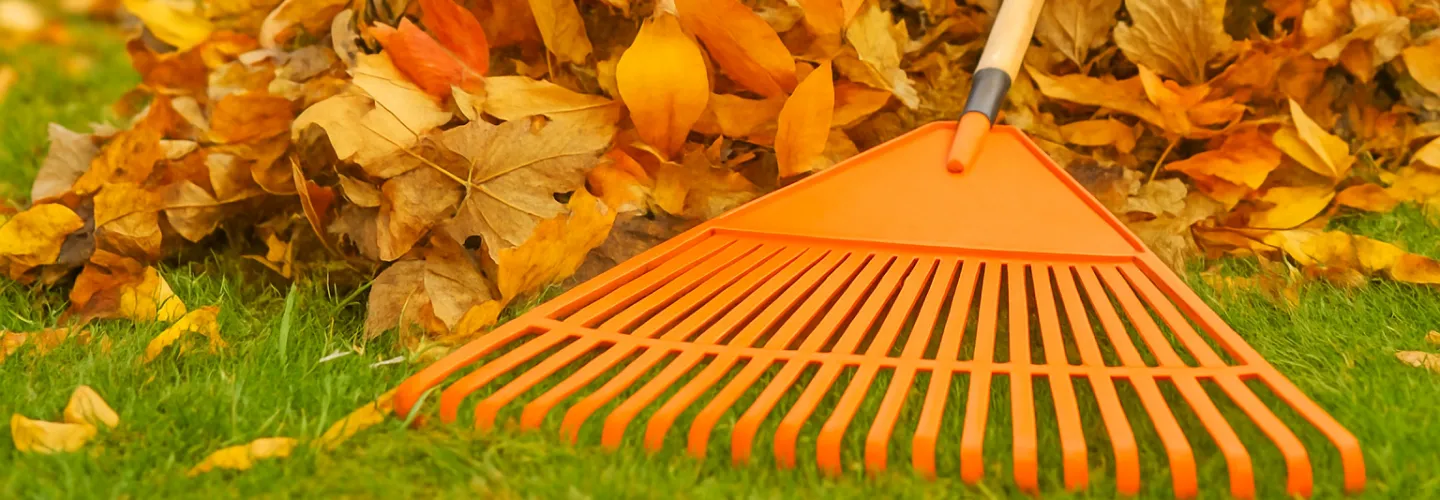
Deep Creek Green Waste Disposal Services
Choose our Green Waste Disposal service for reliable, environmentally responsible removal that keeps your property clean and supports a healthier planet—experience hassle-free, sustainable waste management you can trust.
Get a Free QuoteOur Deep Creek Landscaping & Yard Care Services
When to Schedule Green Waste Disposal in Deep Creek, Florida – Seasonal Guide
In Deep Creek, Florida, the timing of green waste disposal is closely tied to our unique subtropical climate and the rhythms of local landscaping needs. The optimal periods for scheduling green waste removal are typically late winter through early spring and again in late summer, aligning with the region’s primary growth and pruning cycles. For neighborhoods near Deep Creek Park or along Rio de Janeiro Avenue, these windows help homeowners manage yard debris before the onset of heavy rains or hurricane season, reducing the risk of clogged drains and stormwater issues.
Local environmental factors play a significant role in determining the best disposal schedule. For example, Deep Creek’s sandy soils drain quickly but can dry out during drought-prone months, making it important to clear green waste before extended dry spells. The area’s high humidity and dense shade from mature oaks and palms—especially in communities like Sandhill Boulevard—can accelerate decomposition, but also increase the risk of mold and pests if debris is left too long. Additionally, keeping an eye on the last frost date and municipal guidelines, which can be found on the official town website, ensures compliance and optimal yard health.
Local Factors to Consider for Green Waste Disposal in Deep Creek
- Tree and shrub density in your yard
- Proximity to water features or drainage areas
- Seasonal precipitation patterns and hurricane risk
- Soil type and drainage characteristics
- Shade coverage from mature trees
- Municipal collection schedules and restrictions
- Neighborhood-specific landscaping trends
Benefits of Green Waste Disposal in Deep Creek
Eco-Friendly Waste Management
Promotes Healthy Landscapes
Convenient Collection Services
Reduces Landfill Impact
Supports Local Sustainability
Cost-Effective Disposal Solutions
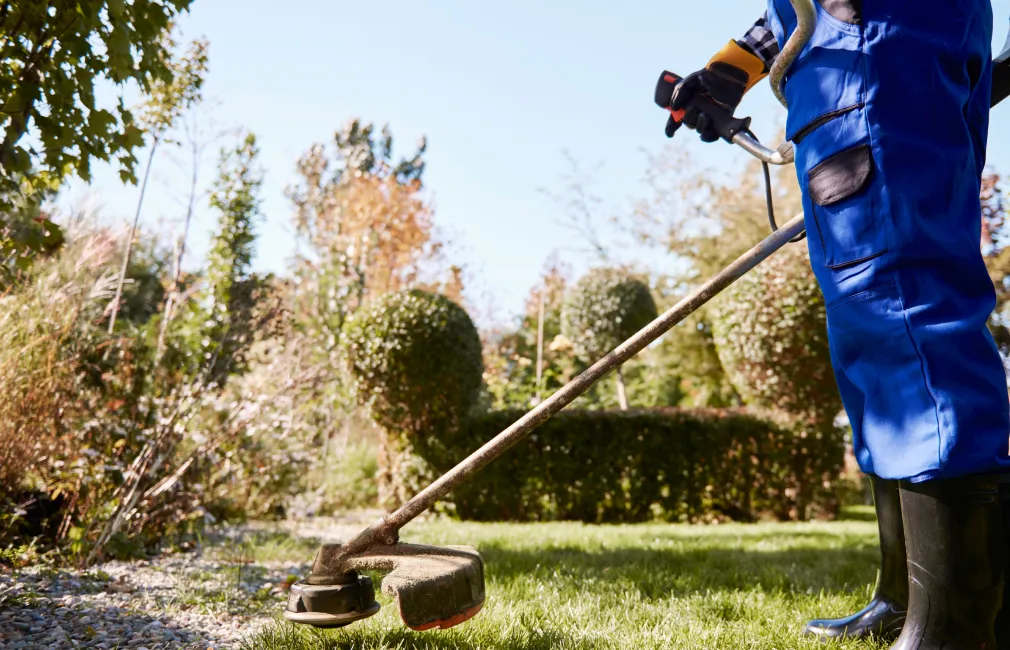
Deep Creek Green Waste Disposal Types

Grass Clippings
-
Tree Branches
-
Shrub Prunings
-
Leaves and Foliage
-
Weeds and Garden Debris
-
Mulch and Wood Chips
-
Hedge Trimmings
Our Green Waste Disposal Process
Collection of Green Waste
Sorting and Separation
Transport to Disposal Facility
Eco-Friendly Processing
Why Choose Deep Creek Landscape Services
-
Deep Creek Homeowners Trust Us
-
Expert Lawn Maintenance
-
Reliable Seasonal Cleanup
-
Competitive Pricing
-
Professional Team
-
Satisfaction Guarantee
-
Personalized Service
Coordinating Green Waste Disposal Through Charlotte County Public Works for Deep Creek Residents
Deep Creek is an unincorporated census-designated place within Charlotte County, Florida, and residents must coordinate green waste disposal through county-level services rather than a municipal government. Charlotte County Public Works oversees curbside yard waste collection for Deep Creek properties, typically scheduled on designated weekdays depending on the specific route. Accepted green waste materials include:
- Grass clippings, leaves, and small brush bundled in lengths under 4 feet
- Branches not exceeding 4 inches in diameter, stacked neatly at the curb
- Vegetative trimmings placed in biodegradable bags or reusable 32-gallon containers
- Palm fronds cut to manageable lengths and separated from household refuse
- Prohibited items: plastic bags, treated lumber, soil, rocks, and construction debris
Residents should place green waste at the curb by 6:00 AM on their scheduled collection day. Large-volume disposal from storm cleanup or major landscaping projects may require separate bulk pickup arrangements.
Charlotte County Public Works
7000 Florida Street, Punta Gorda, FL 33950
Phone: (941) 575-3600
Official Website: Charlotte County Public Works
Deep Creek's Sandy Entisol Soils and Their Impact on Yard Waste Decomposition
Deep Creek sits within USDA Hardiness Zones 9b–10a, and the area's predominant soils are sandy Entisols and poorly drained Spodosols characteristic of Florida's coastal flatwoods. These soils—often classified within the Myakka and Immokalee series according to the USDA Web Soil Survey—feature a pH range of 4.5–6.0 and extremely low organic matter content. This acidic, sandy composition means yard debris left on-site decomposes slowly without proper management. Property owners generating green waste should consider these factors:
- Grass clippings decompose within 1–2 weeks when mulch-mowed at 3–3.5 inch height
- Palm fronds and woody debris require chipping to accelerate breakdown in sandy substrates
- Composting on-site benefits from adding nitrogen-rich amendments at a 25:1 carbon-to-nitrogen ratio
- Leaf litter from live oaks (Quercus virginiana) and sabal palms (Sabal palmetto) should not be deposited into drainage swales
The UF/IFAS Extension Charlotte County office provides composting guidance tailored to southwest Florida's sandy soils and subtropical climate conditions.
Protecting Deep Creek's Waterways and Wetlands During Green Waste Removal
Deep Creek's network of canals, tidal creeks, and freshwater wetlands draining toward the Myakka River and Charlotte Harbor estuary demands strict environmental compliance during green waste disposal activities. Under the Florida Environmental Protection Act and Charlotte County's MS4 stormwater permit, vegetative debris must never enter stormwater conveyances, drainage ditches, or canal rights-of-way. Key compliance requirements include:
- Maintain a minimum 25-foot no-disturbance buffer from wetland boundaries and canal banks
- Prevent grass clippings, leaves, and organic material from entering storm drains or swale inlets
- Stage collected green waste on upland areas at least 50 feet from any surface water body
- Avoid blowing or raking debris toward roadside swales that connect to the county stormwater system
Charlotte County's water quality monitoring program tracks nutrient loading from organic debris entering local waterways. Excess nitrogen and phosphorus from decomposing yard waste contributes to algal blooms in Charlotte Harbor, a state-designated aquatic preserve. Violations may be reported through EPA Region 4 or the Florida Department of Environmental Protection.
Charlotte County Conservation Charlotte
25550 Harbor View Road, Suite 5, Port Charlotte, FL 33980
Phone: (941) 764-4460
Official Website: Charlotte County Conservation Charlotte
Tree Debris Permits and Protected Species Regulations in Deep Creek
Green waste disposal in Deep Creek frequently involves tree trimming and removal debris, which triggers Charlotte County's tree protection ordinance. Residential properties require a tree removal permit for any protected species exceeding 4 inches in diameter at breast height (DBH). Charlotte County's protected tree list includes live oak (Quercus virginiana), slash pine (Pinus elliottii), sabal palm (Sabal palmetto), and gumbo limbo (Bursera simaruba). The permit process involves:
- Submitting an application through Charlotte County Building Construction Services
- Providing a site plan showing tree location, species, and DBH measurement
- Typical review period of 5–10 business days
- Mitigation requirements may apply: replacement planting at a 1:1 or 2:1 ratio depending on species and canopy size
- Emergency removal after hurricanes or tropical storms may qualify for expedited review
Debris from permitted tree removal must be disposed of through authorized channels. Burning yard waste is prohibited within Deep Creek's residential areas without a Charlotte County burn permit, and open burning restrictions are enforced year-round in subdivisions.
Charlotte County Building Construction Services
18400 Murdock Circle, Port Charlotte, FL 33948
Phone: (941) 743-1201
Official Website: Charlotte County Residential Tree Permits
Seasonal Timing and Hurricane Debris Management for Deep Creek Green Waste
Deep Creek's subtropical climate produces year-round vegetative growth, but green waste volumes peak during specific seasonal windows that property owners should anticipate. The National Weather Service Tampa Bay office monitors conditions affecting yard maintenance scheduling across southwest Florida. Critical timing considerations include:
- January–March: Peak pruning season for deciduous and semi-deciduous species; moderate debris volumes from cold-damaged vegetation after occasional frost events (temperatures dropping below 40°F)
- April–June: Rapid growth period with weekly mowing generating substantial grass clippings; pre-hurricane season property preparation increases brush and limb removal
- June–November: Atlantic hurricane season requires proactive dead limb removal and canopy thinning; post-storm debris must be separated into vegetative and non-vegetative categories for county collection
- October–December: Live oak leaf drop and sabal palm frond shedding produce concentrated green waste volumes
Following tropical storms or hurricanes, Charlotte County typically activates emergency debris collection routes. Residents should monitor county announcements for designated staging areas and separation requirements, as FEMA reimbursement protocols require vegetative debris to be segregated from construction materials and household waste at the curb.
What Streets and Subdivisions Do We Serve Throughout Deep Creek, FL?
- Deep Creek Boulevard Corridor: The main arterial through the community features established residential lots with mature live oak canopies and sabal palms generating significant seasonal leaf litter and frond debris, requiring regular curbside green waste coordination with county collection schedules.
- Harbor Boulevard Area: Properties along Harbor Boulevard near Deep Creek Elementary School sit on poorly drained Myakka fine sand soils with seasonal high water tables at 12–18 inches, necessitating careful staging of green waste away from swale drainage infrastructure.
- Chamberlain Boulevard Subdivision: This residential section features mid-density single-family homes with St. Augustinegrass lawns and ornamental hedging that produce consistent clipping and trimming volumes throughout the growing season, particularly from March through October.
- Tropicana Boulevard and Surrounding Streets: Homes along Tropicana Boulevard near the Deep Creek Golf Club border maintained turf and natural pine flatwoods, creating mixed green waste streams of grass clippings, pine needles, and understory brush.
- Inwood Street and Castle Drive Area: These interior residential streets feature smaller lot sizes with limited curbside staging space, requiring compact bundling of brush under 4 feet and containerized clippings for efficient county pickup access.
- Glenfinnan Road and Kingswood Drive: Located in the northern portion of Deep Creek, these streets border canal systems where a 25-foot vegetative buffer must be maintained, and green waste must be staged on the street-facing side of properties to prevent organic material from entering waterway corridors.